
About
Structure, hydration, and molecular recognition
We study how molecules recognize, bind, and organize in water and in the solid state. Our research connects crystallography, thermodynamics, and atomistic simulations to understand how weak interactions, hydration, and ions shape molecular structure and function.
Rather than treating water as a passive background, we focus on hydration as an active part of molecular recognition. By combining crystal structures, calorimetry, and molecular dynamics, we investigate how competing hydrated states contribute to binding affinity, protonation effects, and the apparent thermodynamics observed in solution.

Publications
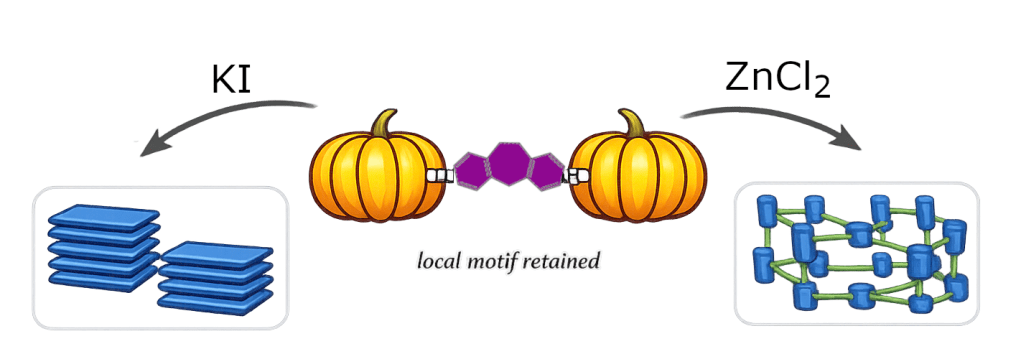
Salt-dependent switching of crystal packing in cucurbituril–antidepressant crystals
Ion identity controls the packing of cucurbituril–antidepressant crystals, showing how salts can redirect supramolecular organization in the solid state.
CrystEngComm, 2026
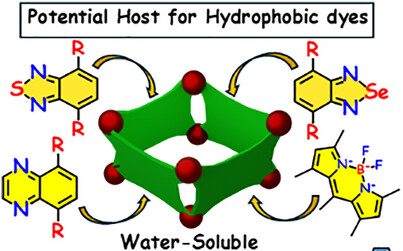
Water-Soluble Pd8L4 Barrel for Binding of Versatile Hydrophobic Dyes and Visible-Light Promoted Catalysis in Aqueous Medium
A water-soluble Pd₈L₄ barrel captures hydrophobic dyes and supports photocatalytic function in aqueous medium.
Angewandte Chemie, 2026
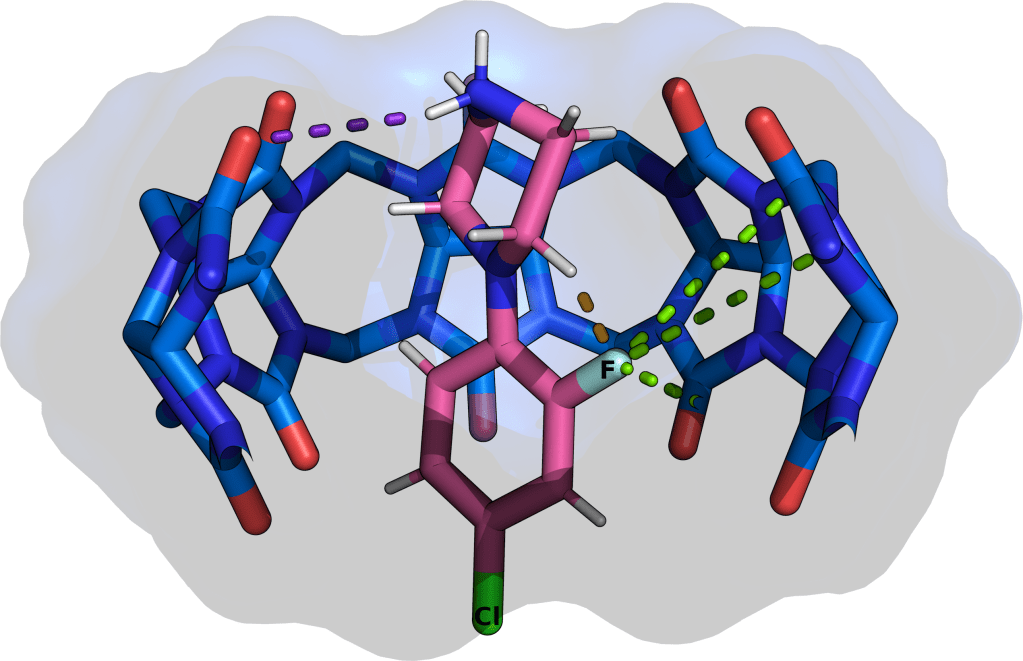
Halogenated N-phenylpiperazine and 2-(piperazin-1-yl)pyrimidine as novel cucurbit[7]uril guests: experimental and computational insights into supramolecular binding
Molecular recognition in CB7 is shaped by small structural changes in the guest, which translate into measurable differences in binding thermodynamics and interaction patterns.
RSC Advances, 2025
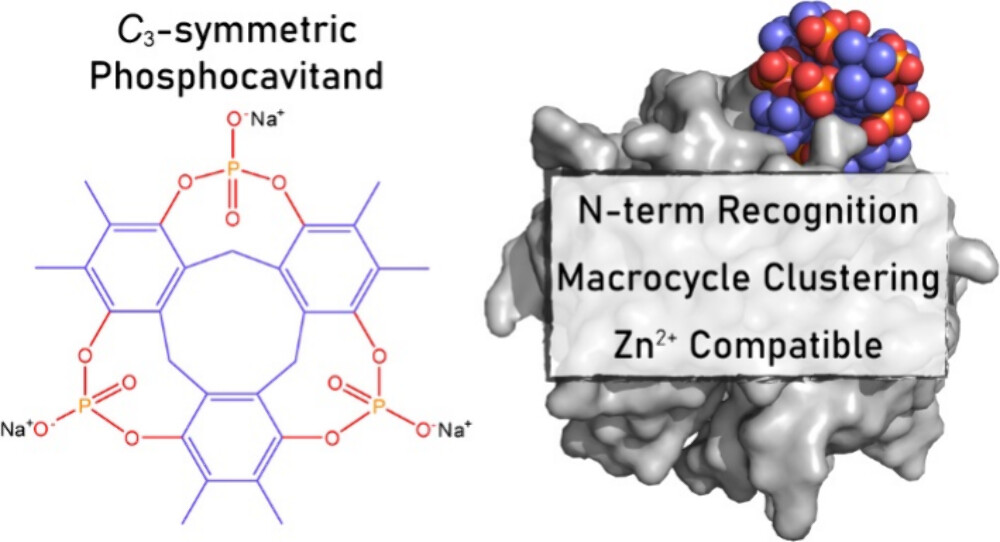
Protein Recognition and Assembly by a Phosphocavitand
A designed phosphocavitand recognizes protein surfaces and directs supramolecular assembly at the interface between host–guest chemistry and biomolecular recognition.
JACS, 2025
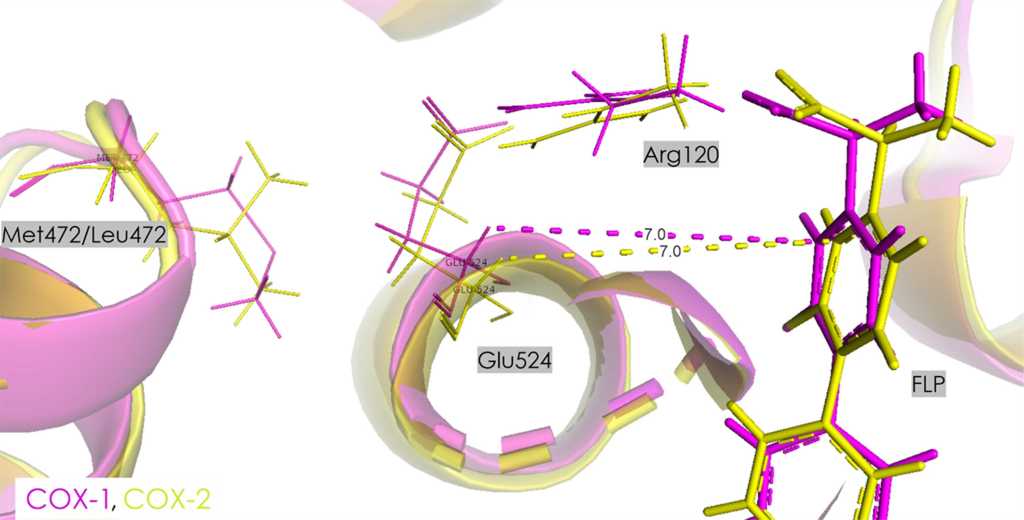
Understanding the selectivity of nonsteroidal anti-inflammatory drugs for cyclooxygenases using quantum crystallography and electrostatic interaction energy
Quantum crystallography reveals how electrostatic interaction energies help rationalize molecular recognition and selectivity in biologically relevant drug–target systems.
IUCrJ, 2025
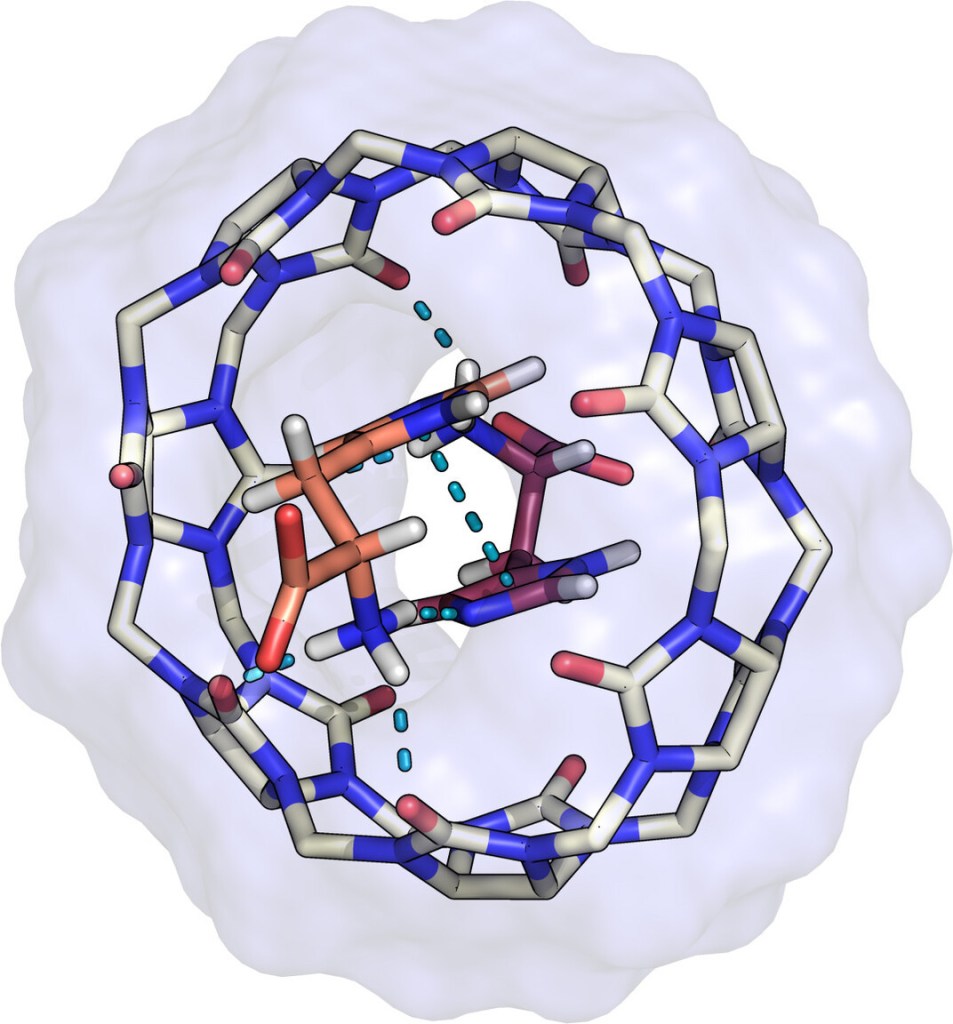
Cucurbit[7]uril-mediated Histidine Dimerization: Exploring the Structure and Binding Mechanism
CB7 binding reorganizes histidine into a supramolecular dimer, linking protonation, host–guest recognition, and assembly in water.
Chemistry – A European Journal, 2024
Meet us
11.08–19.08.2026
IUCr Congress
Calgary, Canada
24.06–26.06.2026
67th Polish Crystallographic Meeting
Wrocław, Poland
16.03.2026
Faculty Seminar – Zygmunt Derewenda
Wrocław, Poland
25.08–29.08.2025
European Crystallographic Meeting
Poznań, Poland
18.07–23.07.2025
75th American Crystallographic Association
Lombard, USA
25.06–27.06.2025
66th Polish Crystallographic Meeting
Warsaw, Poland


Visit us
Pasteura 1, 02-093 Warszawa, Poland
Phone
+48 22 5526356
 SI2G | Structural & Intermolecular Interactions Group